
While some addictions and mental health issues can be handled with outpatient programs, more intensive therapy is sometimes beneficial. You might be interested in residential treatment depending on your individual goals or needs related to mental health. PTC provides our patients with specialized, long-term care through a variety of residential treatment alternatives.
Residential Treatment

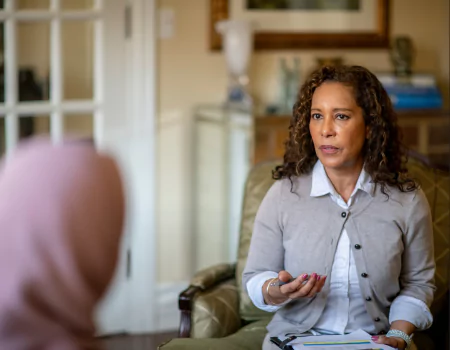

Numerous residential treatment services are available at Premier Treatment Center. Our residential treatment facilities offer safe and efficient services for a variety of mental health, behavioral health, and addiction issues. Patients receive comprehensive addiction, mental health, dual diagnosis, or specialty residential therapy that is customized to meet their needs while residing in our treatment centers.
Many people have benefited from residential treatment in their pursuit for better, healthier, and more fulfilling lives. People of all ages who are dealing with a variety of mental health and drug use issues can benefit from our residential treatment programs. Our committed, and highly skilled staff are equipped to deliver clinically superior care as well as the assistance, direction, and interventions required for residents to meet their treatment objectives.
The following is a list of some of the various treatment modalities implemented within our residential treatment programs:
- Cognitive behavioral therapy (CBT)
- Dialectical behavior therapy (DBT)
- Acceptance and commitment therapy (ACT)
- Trauma-focused cognitive behavioral therapy (TF-CBT)
- 12-Step philosophy
PTC also provides a variety of residential care options to address the specific requirements of individuals in need of residential treatment:
Residential treatment for chemical dependency, substance abuse, and co-occurring mental health conditions: PTC runs several residential treatment facilities for addicts of all ages and genders. A variety of therapies are used in residential treatment for addictions or co-occurring disorders to promote healing and increase the sustainability of addiction recovery. Addiction professionals who are aware of the particular needs of our residents make up the personnel at our addiction residential treatment facilities. These experts are on call around-the-clock to offer residents on the path to sobriety support, encouragement, and direction.
Psychiatric residential treatment: Residential treatment is frequently a useful option when a person’s mental health treatment demands are more than what an inpatient institution can provide. People of various ages can receive therapy from our network of mental residential treatment facilities. In psychiatric residential treatment, patients can remove themselves from daily stressors and triggers and concentrate only on their mental health and emotional well-being. Psychiatric residential care includes a range of strategies that have been shown to be successful in reducing the intensity of mental health symptoms, as well as round-the-clock assistance. Residents in psychiatric residential therapy can acquire the confidence necessary to create a healthy life, discover coping mechanisms, and learn how to manage mental health symptoms.
Specialty residential treatment: Many residential treatment facilities offer specialized programs for people whose requirements call for a higher level of competence, in addition to residential treatment choices that focus on addiction and mental health. Certain populations or issues are the focus of some residential facilities. For instance, some of our residential facilities treat only teenagers, while others focus on eating disorders. Our specific residential programming includes the following:
- Eating disorders
- Weight loss concerns
- Gender-specific treatment
- Mental health or addiction-related concerns with co-occurring chronic pain conditions
- Trauma-related concerns
- Process addictions
- Adventure therapy for adults
Only clinically validated, research-based therapy approaches are used in PTC residential treatment centers. A patient’s individualized treatment plan may incorporate the following interventions, which are commonly used in residential therapy:
Detoxification services: Services may be incorporated in the treatment of a person who also has chemical dependency, detoxification, or detox. Starting treatment with detoxification services can provide the resident with the concentration and mental clarity necessary to concentrate on all facets of recovery. Medical professionals oversee a resident’s detox time and can assist make the withdrawal process more comfortable.
Medication management services: Sometimes therapy is insufficient to treat a mental health issue. During a patient’s stay in residential care, specific psychotropic drugs may be advised and prescribed. On-site psychiatrists, nurse practitioners, and nurses are committed to tracking each patient’s success while taking medication in many of our residential programs.
Medical care: In order to concentrate on other parts of their recovery, patients with specific diseases, such as eating disorders or chronic pain conditions, may need medical treatment. On-site medical care is included into a patient’s treatment plan in some residential programs, such as PTC’s specialist residential treatment centers. In addition to obtaining the physical care required for a better lifestyle, the additional medical care allows the patient to concentrate on their treatment objectives..
Individual therapy: Residential treatment facilities frequently offer individual therapy sessions as a way to give patients the personalized attention they deserve. A person’s treatment may benefit greatly from individual therapy. Patients can use these sessions as an opportunity to process their feelings, emotions, and experiences with a trained expert who provides support and direction.
Group therapy: Group therapy may help an individual’s treatment plan. Patients who may be dealing with similar issues can support and learn from each other during group therapy sessions led by one or more qualified staff members. Furthermore, group therapy is a fantastic way for patients to discuss concerns related to healing and treatment.
Experiential therapy: The goal of PTC is comprehensive healing. Patients can investigate the relationship between mind, body, and spirit through experiential therapy methods. Programs like art therapy, recreational therapy, yoga, physical activity, and meditation are examples of experiential treatment opportunities.
Family therapy and family support programs: PTC is committed to assisting patients’ families in achieving health and wholeness in addition to helping individuals heal. Mental or behavioral health issues rarely affect a person alone; they frequently have an impact on their family as well. Patients and their family members can talk about how mental illness, behavioral issues, and/or substance abuse have impacted their family during family therapy sessions. Family members can learn how to effectively support their loved one during their treatment by attending family therapy sessions and participating in support groups.
Specialized treatment tracks: To address each resident’s particular needs, PTC’s residential treatment provide specialized pathways. These therapy paths, which are frequently targeted at a certain issue or group, can be included into a patient’s existing treatment plan, providing a thorough and efficient therapeutic procedure. The following are some examples of specialty treatment paths featured within PTC’s residential care:
- Opioid addiction treatment
- Gender-specific treatment
- Christian-specific treatment
- Active and inactive military member treatment
- Gambling addiction treatment
- Native American treatment
- Trauma-focused treatment
Continuing care options: A patient’s treatment team will collaborate with them to develop a comprehensive continuing care plan as their residential care draws to a close. Recommended outpatient therapies including medication management services, individual therapy, and other comparable options will be included in this plan. Our residential treatment center staff members are committed to assisting departing patients in achieving their long-term objectives.
Write to us
to inquire about our programs
To request a call back, please submit your information by filling this form and one of our staff will get in touch with you.